
Can You Be Denied Private Health Insurance? An Honest 2027 Guide
Short answer: yes. Private off-marketplace health insurance is medically underwritten, which means carriers can decline applicants based on health history. If you’re used to the ACA marketplace — where denial is illegal — that can feel jarring.
But “can be denied” and “will be denied” are very different things. Most healthy applicants are approved. Here’s an honest breakdown of how denials work in 2027, what triggers them, what you can do if it happens, and why the possibility of denial is exactly what makes private plans affordable.
Table of Contents
Yes, Denial Is Possible — Here’s Why
The ACA’s guaranteed-issue rule applies only to ACA-compliant marketplace plans. Private underwritten plans operate under a different model: instead of accepting everyone and restricting enrollment to a yearly window (November 1, 2026 – January 15, 2027 for 2027 coverage), they accept applicants year-round and manage risk through health screening.
This is the fundamental tradeoff. The marketplace can’t ask about your health, so it charges everyone community-rated prices — expensive for the healthy, especially now that enhanced subsidies have expired and the 400% FPL cliff is back. Private carriers price on actual risk — roughly half the price for healthy applicants, but with a real possibility of decline for others.
Neither model is morally superior. They serve different people. Understanding which one serves you starts with an honest look at the denial question.
What Actually Triggers a Denial
Carriers don’t decline people for being imperfect. They decline for conditions that predict high, near-term claims costs. In practice, denials in 2027 most commonly involve:
- Active or recent cancer — undergoing treatment or diagnosed within the carrier’s lookback period (typically 2–5 years depending on cancer type)
- Uncontrolled chronic disease — diabetes with complications or poor control, severe uncontrolled hypertension, advanced heart failure
- Recent major cardiac events — heart attack, bypass surgery, or stent placement within the last 1–2 years
- Conditions requiring expensive specialty drugs — biologics for autoimmune disease, certain oncology or HIV medications, drugs costing tens of thousands per year
- End-stage organ disease — kidney failure on dialysis, cirrhosis, pending transplant
- Recent substance use disorder treatment
- A combination of moderate issues — sometimes no single condition disqualifies, but the cumulative picture (obesity + diabetes + hypertension + smoking, for example) pushes total risk past the carrier’s threshold
What rarely causes a denial on its own: well-controlled hypertension, high cholesterol on a statin, treated anxiety or depression on stable medications, old resolved injuries, sleep apnea with CPAP compliance.
What Happens If You’re Declined
A denial feels personal. It isn’t — it’s actuarial. And it’s not the end of your options:
1. Try another carrier. This is the most important thing to know. Underwriting standards vary significantly between carriers. One insurer’s decline is another’s approval-with-rating. A broker with access to multiple carriers (see how the private application process works) can often place applicants who were declined elsewhere. Never treat a single decline as final.
2. Ask about rated or modified offers. Some carriers offer coverage at a higher premium or with a rider excluding a specific condition. A rated offer is often still cheaper than a full-price marketplace plan — run the numbers before rejecting it.
3. Split the household. Underwriting is individual. If one family member is declined, the others can still be approved for private coverage while the declined member enrolls on the marketplace. This hybrid approach is common and completely legitimate.
4. Use the marketplace as your guaranteed-issue fallback. The ACA marketplace cannot decline you for any health reason, period. During open enrollment — or with a qualifying life event for a special enrollment period — you can get comprehensive coverage regardless of health history. If your income is above the subsidy cliff, you’ll pay full price, but you’ll be covered. That’s what guaranteed issue is for, and there’s no shame in using it.
5. Reapply later. Health changes. A condition that’s disqualifying today may not be in a year. Some declines are really deferrals.
How to Reduce Your Denial Risk Before Applying
You can’t change your health history, but you can present it well:
- Get conditions under control first. If your blood pressure or blood sugar is borderline, three months of documented good control before applying can be the difference between approval and decline.
- Gather your records. Complete, organized medical records that show stability and compliance help underwriters say yes. Gaps and missing records make them assume the worst.
- Disclose everything. Undisclosed conditions discovered through prescription databases or record reviews don’t just slow applications — they can void approvals. Honesty upfront is always the better strategy.
- Time it right. Don’t apply mid-workup for an undiagnosed issue. Wait for the diagnosis — a benign result clears you, and even a serious one is better evaluated as a known quantity.
- Use a pre-screen. A five-minute health pre-screen tells you whether private underwriting is viable before you invest time in a full application. If the pre-screen says no, go straight to marketplace planning instead.
The Bigger Picture
Here’s the perspective most people miss: the denial risk is the price of the discount. Private plans cost roughly half of full-price marketplace plans precisely because underwriting keeps the risk pool healthier. If private plans had to accept everyone, they’d cost what marketplace plans cost — and the option would disappear entirely.
For healthy high earners, that’s a trade worth making: a short health screening in exchange for thousands in annual savings, year-round enrollment, and no income-based pricing. For those with significant health issues, the marketplace’s guaranteed issue is the better tool — more expensive, but available no matter what.
The honest 2027 guide to denials fits in one sentence: yes, you can be denied private health insurance, most healthy people aren’t, and if you are, the marketplace exists as your guaranteed fallback. Know which category you’re in before November 1, and shop accordingly.
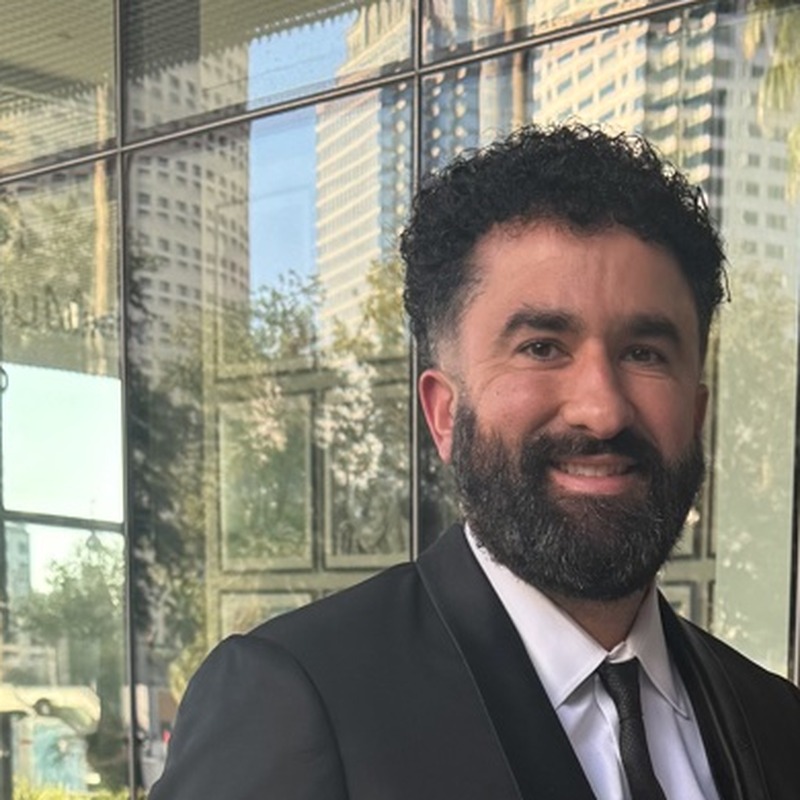
Justin Brain is a licensed health insurance agent (licensed since 2016, National Producer Number (NPN) #17940663) and founder of My Private Health Insurance in Fort Lauderdale, Florida. He has helped self-employed professionals, 1099 contractors, and small business owners in 33 states secure private, off-exchange health coverage — often at about half the cost of full-price marketplace plans. His team specializes in medically underwritten PPO plans for people who earn too much for ACA subsidies.