
How Long Does Health Insurance Underwriting Take in 2027? Timeline Explained
One of the biggest misconceptions about private health insurance is that underwriting takes forever — weeks of medical exams, record requests, and waiting. In reality, most healthy applicants go from first quote to covered in days, not weeks. Here’s the actual timeline for 2027, what can slow it down, and how to keep your application moving.
Table of Contents
The Typical Timeline: Days, Not Weeks
For a straightforward applicant — no major conditions, no recent hospitalizations, no red flags in the pre-screen — the full process usually looks like this:
- Day 1: Health pre-screen and quotes. A short questionnaire about major conditions, recent treatments, and prescriptions. Based on your answers, age, and zip code, you see real PPO quotes — typically around half the cost of equivalent full-price marketplace coverage. This takes 10–20 minutes.
- Day 1–2: Application submitted. You complete the formal application with personal details, coverage preferences, and desired effective date.
- Day 2–5: Phone interview. A brief recorded health interview — usually 15–30 minutes — confirms your written answers and clarifies anything ambiguous. This is the step people dread and then describe as “that was it?”
- Day 3–7: Underwriting decision. For clean applications, many carriers issue decisions within a few business days of the interview.
- Effective date: first of the next month (or the one after). Once approved, you choose your start date. Many applicants have coverage within 2–3 weeks of their first quote.
Total elapsed time for a healthy applicant: roughly one to three weeks.
What Can Slow It Down
Not every application is straightforward. Here’s what adds time — and how much:
- Medical record requests. If something in your history needs verification — a surgery three years ago, a specialist visit with unclear notes — the carrier may request records from your doctor. If you know you have a history item that will raise questions, gathering your own records in advance can shave weeks off.
- Attending physician statements. For certain conditions, the carrier asks your doctor to complete a short statement about your current status. Fast if your doctor’s office is responsive; slow if it isn’t. A quick call to your doctor’s office letting them know it’s coming helps enormously.
- Prescription history review. Carriers routinely check prescription databases. If there’s a medication on your record you forgot to mention — or one prescribed for off-label use that looks alarming out of context — expect follow-up questions. Disclose everything upfront; surprises slow things down far more than honest answers.
- Age and coverage amount. Older applicants and those seeking richer benefits sometimes get closer scrutiny. A healthy 35-year-old moves faster than a 58-year-old with a complex history — that’s just the math of risk.
- Incomplete applications. Missing signatures, blank fields, unanswered follow-ups. The most common delay of all, and the most avoidable.
Worst realistic case for a cooperative applicant with a moderately complex history: 4–6 weeks.
How This Compares to Marketplace Enrollment
It’s worth noting that the marketplace isn’t instant either. During open enrollment (November 1, 2026 – January 15, 2027), a clean marketplace application can be approved in a day. But self-employed applicants get flagged for income verification constantly, and that back-and-forth — submitting 1099s, profit-and-loss statements, explanations of irregular income — routinely takes weeks. And the December 15 deadline for January 1 coverage doesn’t pause while you gather documents.
The private process has no income verification at all. Your premium is based on health, age, and location — not on income estimates you’ll have to reconcile at tax time. That’s one entire category of delay that simply doesn’t exist.
Timing Strategy: When to Start
Because private plans enroll year-round, you’re not bound to the open enrollment calendar — but timing still matters:
- Starting fresh with no current coverage: Begin 4–6 weeks before you want coverage to start. That gives underwriting room to breathe without a gap.
- Switching from a marketplace plan: Start the private application in early November while keeping your marketplace plan active. If approved, set your private effective date for January 1 and cancel the marketplace plan. If declined, you still have time to enroll on the marketplace before December 15. Never cancel existing coverage before the new policy is approved and active.
- Leaving a W-2 job: Start as soon as you know your end date. Your 60-day COBRA retroactive election window gives you a free safety net — you can hold COBRA as a backup while the private application processes, then decline it if approved.
- Mid-year switch: Any month works. Apply when you’re ready; pick the first of next month as your effective date.
How to Keep Your Application Moving Fast
Five things that separate the one-week approvals from the six-week ordeals:
- Answer the pre-screen completely and honestly. Omissions discovered later trigger record requests. Disclosures made upfront get evaluated and cleared.
- Have your medication list ready — names, dosages, prescribing doctor, and what each is for. Off-label prescriptions with a one-line explanation sail through; unexplained ones get flagged.
- Know your history. Dates of surgeries, hospitalizations, and major diagnoses from the last 5 years. Approximate is fine; “I don’t remember” is not.
- Respond to follow-ups within 24 hours. Underwriters work queues — every day you sit on a question is a day your file sits at the bottom of one.
- Work with a broker who does this daily. An experienced broker knows which carriers move fastest for your profile, what each underwriter will ask, and how to keep records requests from stalling. Learn more about the private application process and why the channel matters.
The underwriting timeline isn’t the obstacle most people imagine. For healthy applicants, it’s a short process with a big payoff: coverage at roughly half the price of a full-price marketplace plan, with no income paperwork and no enrollment-window pressure. Start early, answer honestly, and you’ll likely be covered sooner than you expected.
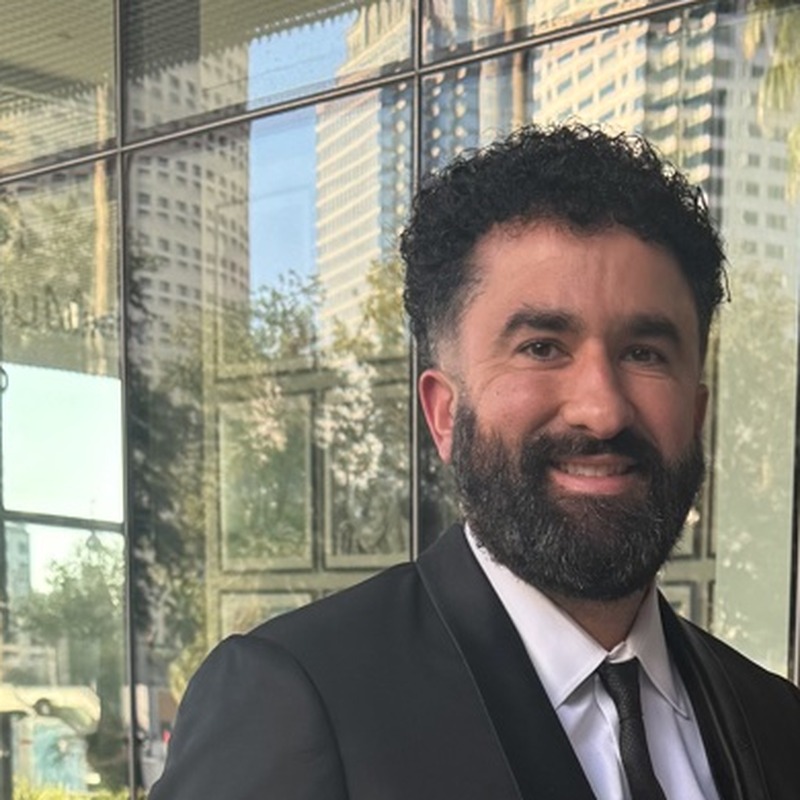
Justin Brain is a licensed health insurance agent (licensed since 2016, National Producer Number (NPN) #17940663) and founder of My Private Health Insurance in Fort Lauderdale, Florida. He has helped self-employed professionals, 1099 contractors, and small business owners in 33 states secure private, off-exchange health coverage — often at about half the cost of full-price marketplace plans. His team specializes in medically underwritten PPO plans for people who earn too much for ACA subsidies.